


























Publicado: 25 de setembro de 2016
Categoria: Catálogos
Ir para o conteúdo
-
-
Fabricante 19
-
Distribuidor 2
-
Parceiro do Setor 2
-
Serviços para o Setor 4
- Todos os parceiros
-
Carrinho de compras
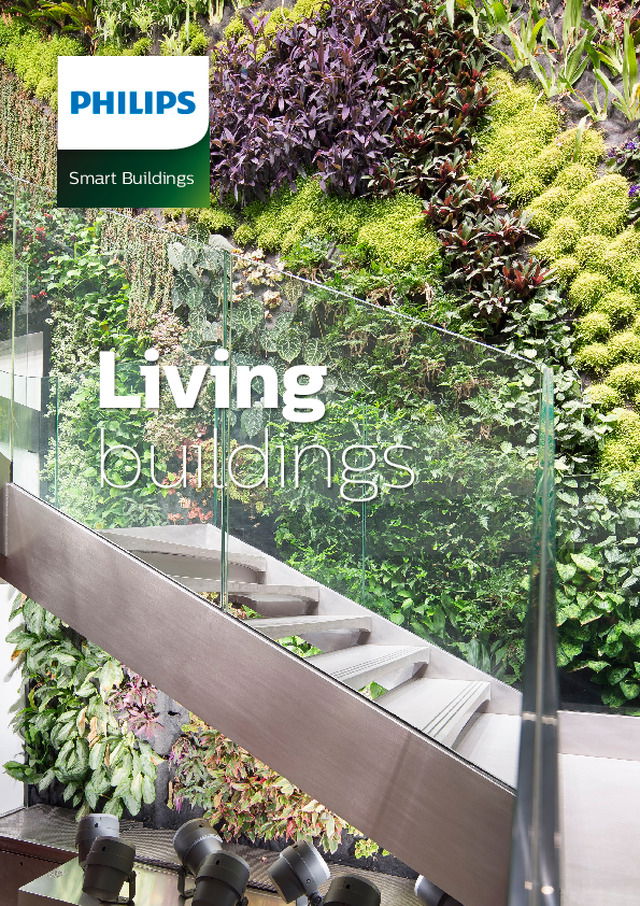

Iluminados, integrados e inteligentes: reinventando o local de trabalho (Parte 1) — Edifícios vivos
Este relatório explora em detalhe as tendências da Internet das Coisas, da conectividade, dos materiais e das ciências sociais. E de que forma estas levam a novos desenvolvimentos em design de edifícios inteligentes, em flexibilidade laboral e em gestão de edifício conectados. Numa série de artigos da Philips Lighting, serão abordados vários tópicos que conduzem a mudança, começando com a primeira parte: edifícios "vivos".
PHILIPS
Iluminados, integrados e inteligentes: reinventando o local de trabalho (Parte 1) — Edifícios vivos
Publicado: 25 de setembro de 2016 · Categoria: Catálogos
Este relatório explora em detalhe as tendências da Internet das Coisas, da conectividade, dos materiais e das ciências sociais. E de que forma estas levam a novos desenvolvimentos em design de edifícios inteligentes, em flexibilidade laboral e em gestão de edifício conectados. Numa série de artigos da Philips Lighting, serão abordados vários tópicos que conduzem a mudança, começando com a primeira parte: edifícios "vivos".
Deste documento
Smart Buildings Living buildings Although they are not taking it for granted, forward-thinking developers, owners, and tenants have started treating sustainability as a given — they simply assume that maximizing sustainability is part of their brief. In addition, they look toward a broader vision of integrating office buildings into the environment, using nature and organic design principles as inspiration. This broader vision includes bringing nature physically into the office, via green walls, vertical gardens, indoor waterfalls and aquariums, daylighting, and work spaces that offer views of gardens and orchards. Biophilic design is catching on, especially in the US, where organizations from Google to the federal government are bringing nature into their office blueprints, strengthening the bond between humans and the natural world, even in technology-intensive spaces. As an example, researchers have been working on building “green walls” for water cooling, eliminating the need for cooling towers. These greeen walls would also provide air filtration and new habitats for insects and birds. Innovations such as these can often save enough money to offset the costs of installation and maintenance. While energy efficiency, cost reduction, and green building certification remain important goals, future office designs also take employee health and happiness into consideration. Flexible work spaces, app-based access to building information and services, and responsive...
Abrir o PDF